Jonah Pike · 2 August 2026
Beds get expensive when the first purchase is decorative. A ruffled sham does not change how you sleep. The first money should go to the surface against your skin, then to warmth you can remove, then to pillows that survive a wash.
Percale before anything silky
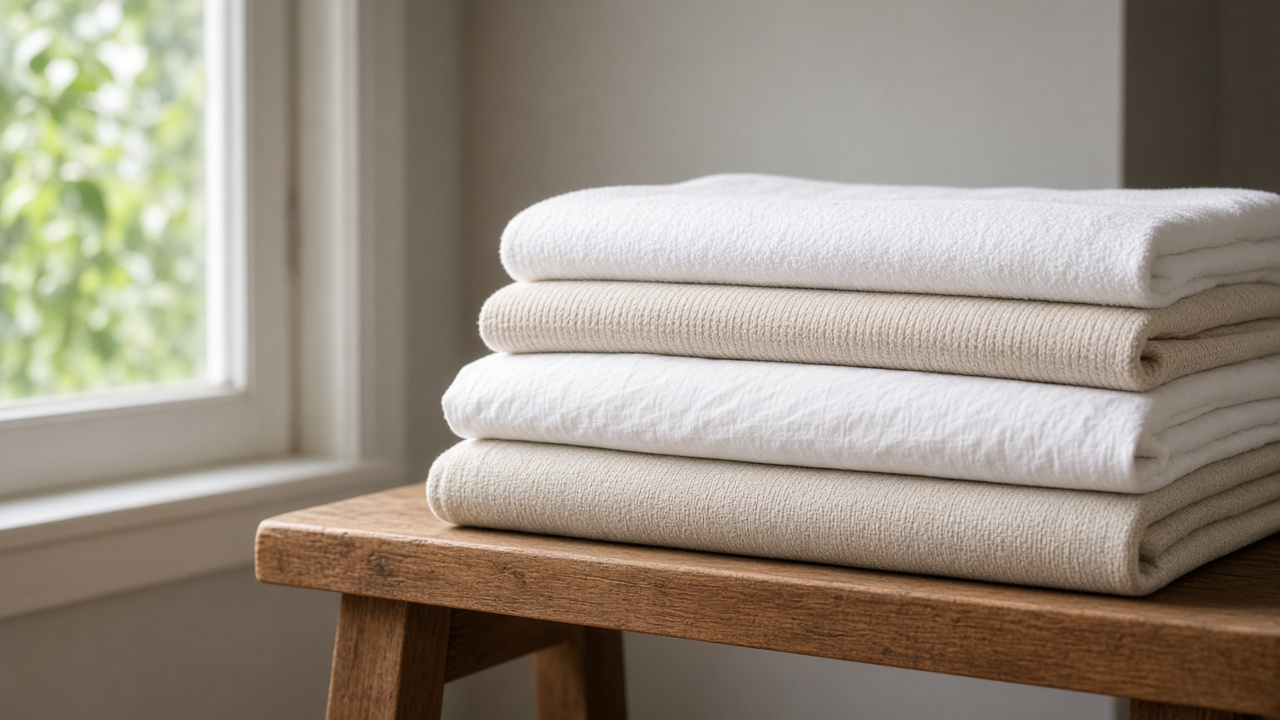
Percale is a matte cotton weave. It feels cool, it looks calm, and it does not cling the way a sateen can. The cloud cotton duvet set in the bedroom edit is that kind of cloth: a cover, two pillowcases, buttons, and inner ties so the fill stays put. Buy the size that matches the duvet you already own. A beautiful cover on the wrong insert bunches and looks cheap no matter the thread count printed on someone else’s label.
Wash it before the first night. Cotton finishes relax in water. If you wait, the bed looks stiffer than the cloth really is, and you may think you chose wrong.
Linen is a second layer, not a substitute, unless you like it against the skin
Washed linen wrinkles and breathes. Some people want that as the sheet. Others want it only in pillow covers at the head of the bed, where the slub reads as texture and the wrinkles are part of the face of the room. There is no moral advantage either way. If you overheat, linen pillow covers and a percale duvet are a reliable pair. If you want one material everywhere, commit to linen and stop apologising for the creases.
A throw is the warmth you can edit
A heavy knit at the foot of the bed lets you keep the duvet lighter. The oatmeal wool throw folds small in the morning and opens wide at night. Air it instead of washing it constantly. Wool holds its shape when it is not tumbled to death.
After those three — duvet set, a pillow cloth you like, and one throw — stop. Lamps and rugs can wait until you have slept on the bed for a week. You will know then whether the room needs light or whether it only needed a cooler cover.